20 Winter Decor Ideas for a Cozy, Calm Home
Disclosure: This article may contain affiliate links. If you buy through these links, we may earn a small commission at no extra cost to you.
Winter changes what a home needs. The light fades early, the air by the windows turns cold, and rooms that felt fine in October can suddenly feel bare and chilly. The good news is that winter decor is mostly about layers, not shopping. A thicker throw on the sofa, warmer light in the corner, a rug under the coffee table and something green or glowing on the table can change how a whole room feels in one afternoon. The 20 ideas below work through the living room, bedroom, entryway, dining area and bathroom, and most of them use things you may already own, just moved, layered or lit differently. Start with the rooms where you spend the dark evenings, and build from there.
Table of Contents
- Layer Chunky Knit Throws on the Sofa
- Swap Cushion Covers for Velvet and Wool
- Add a Second Rug Layer for Warmth
- Build a Candle Cluster on the Coffee Table
- Use Warm-White Lamps Instead of Ceiling Light
- Style Winter Greenery in Tall Vases
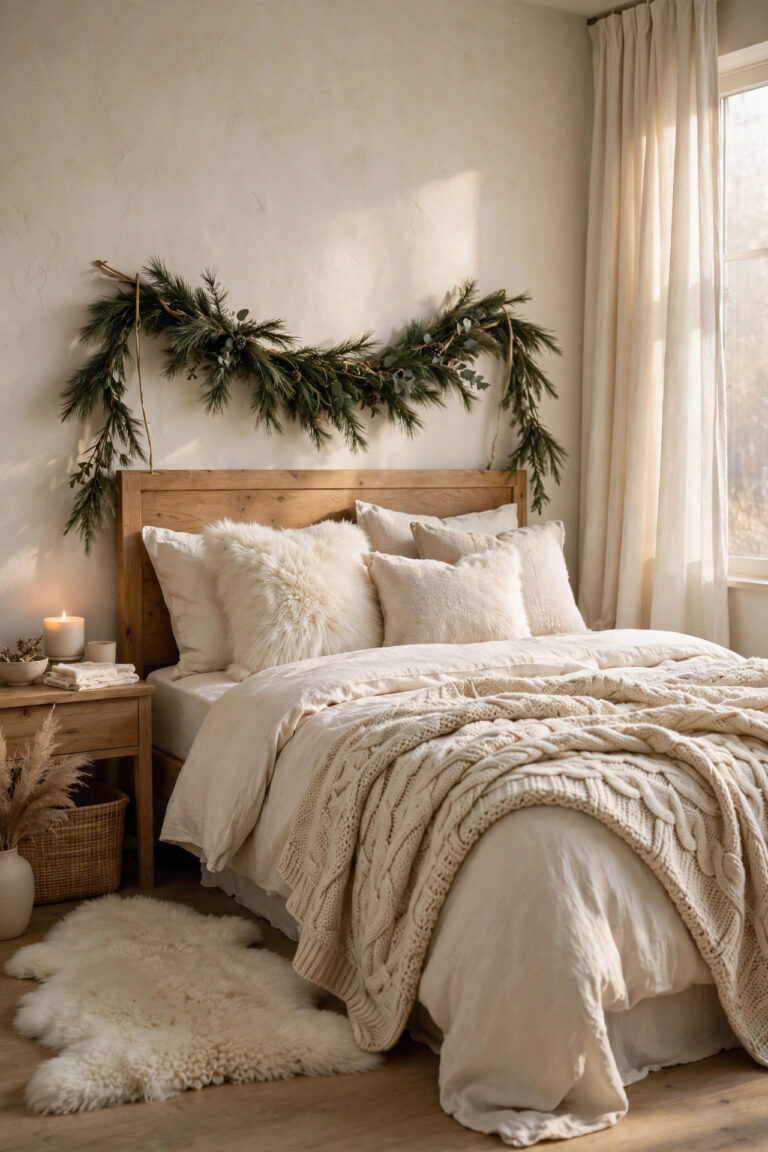
- Make the Bed with a Flannel and Quilt Layer
- Add a Bedside Rug You Feel First Thing
- Hang Heavier Curtains Against the Cold
- Create a Reading Corner with One Good Chair
- Set a Hot Drink Station on a Tray
- Warm the Entryway with a Runner and Basket
- Style the Dining Table for Slow Evenings
- Bring Wood Tones Forward
- Use Faux Fur as One Accent Only
- Add Plaid in Small, Quiet Doses
- Make the Bathroom Feel Like a Warm Spa
- Light the Fireplace Area Without a Fire
- Scent the Rooms with One Winter Fragrance
- Finish with a Soft, Low Evening Light Plan
1. Layer Chunky Knit Throws on the Sofa
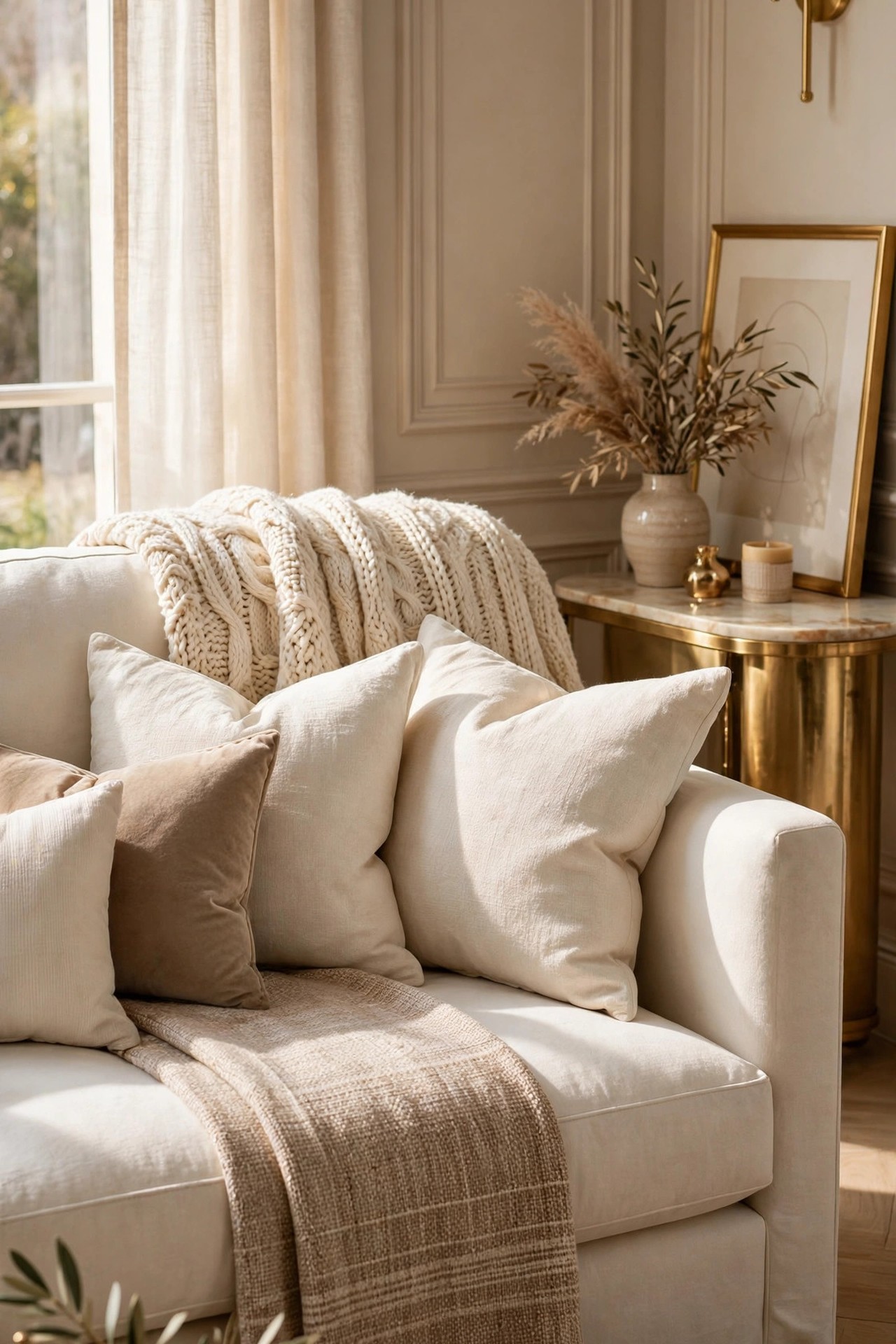
A sofa in winter should look like an invitation. Drape one chunky knit throw over the back of the sofa and fold a second, thinner one across the seat or the arm, so the layers show different textures. Cream, warm white and soft taupe keep the look calm and match almost any sofa color, while the thick knit adds the cozy feeling winter rooms need. Keep the throws where people actually sit, not folded in a corner as decoration. This is the fastest winter change there is, and it works on leather, linen and fabric sofas alike.
What You Need
- Chunky knit throw blanket, cream or warm white
- Lightweight woven throw in a slightly deeper tone
Quick Steps
- Drape the chunky throw over the sofa back, slightly off-center.
- Fold the thinner throw lengthwise and lay it across one seat.
- Tuck the ends loosely so it looks used and soft, not staged.
Estimated Cost: $25-$60 (estimate)
2. Swap Cushion Covers for Velvet and Wool
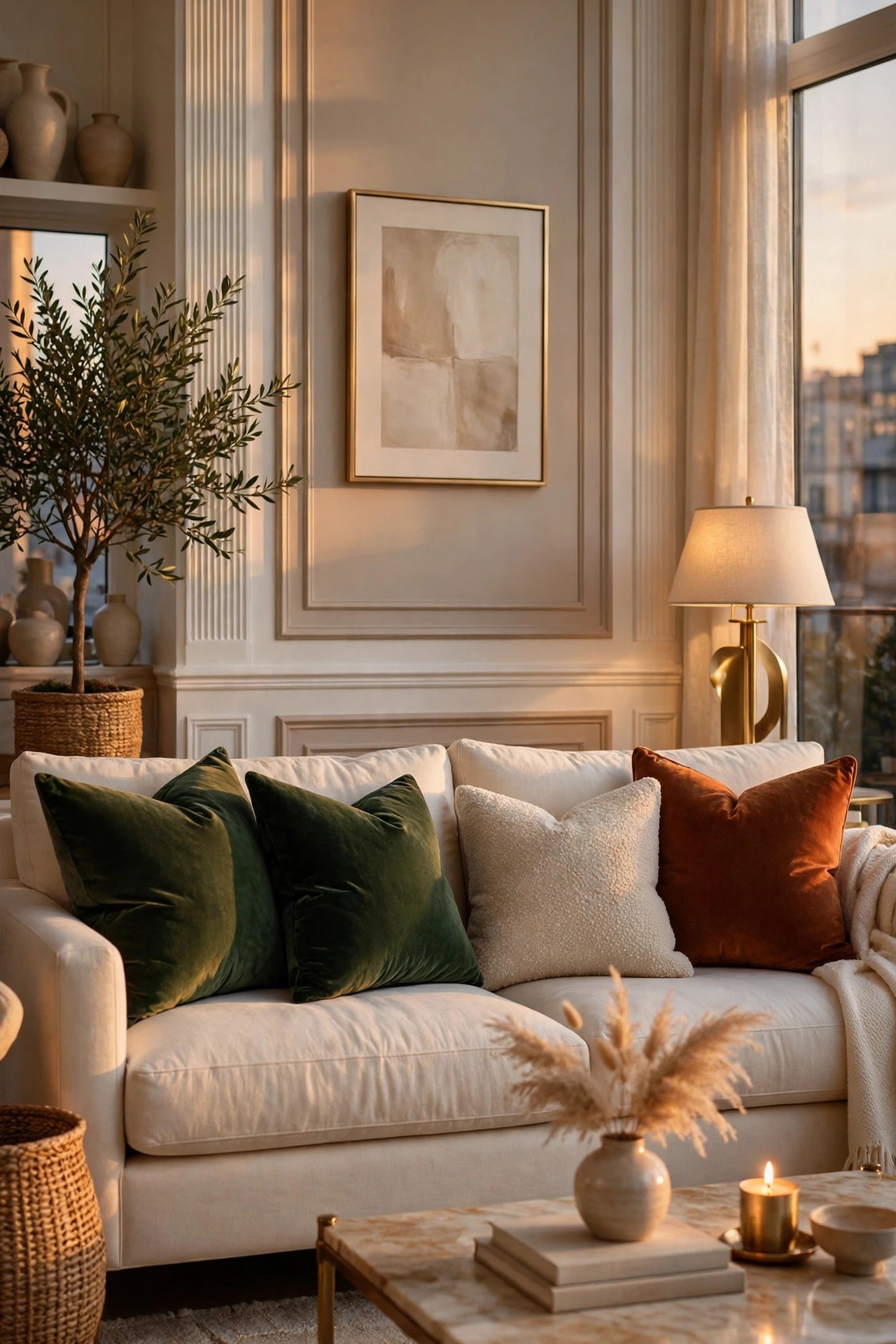
Changing cushion covers is cheaper than changing cushions, and winter is when texture matters most. Swap two or three summer covers for velvet in deep green, warm rust or soft gold, and mix in one wool or boucle cover for contrast. Keep the rest of the cushions in your normal neutrals so the room does not turn dark or heavy. The velvet catches the low evening light and makes the whole sofa feel warmer, even before anyone sits down. Store the summer covers flat in a drawer so the swap back in spring takes five minutes.
What You Need
- Velvet cushion covers, 18×18 in, deep green or warm rust
- Wool or boucle cushion cover, neutral
Quick Steps
- Remove two or three summer covers from the sofa cushions.
- Fit the velvet covers, keeping colors on both sides balanced.
- Add the wool or boucle cover in the middle as the texture contrast.
Estimated Cost: $20-$50 (estimate)
3. Add a Second Rug Layer for Warmth
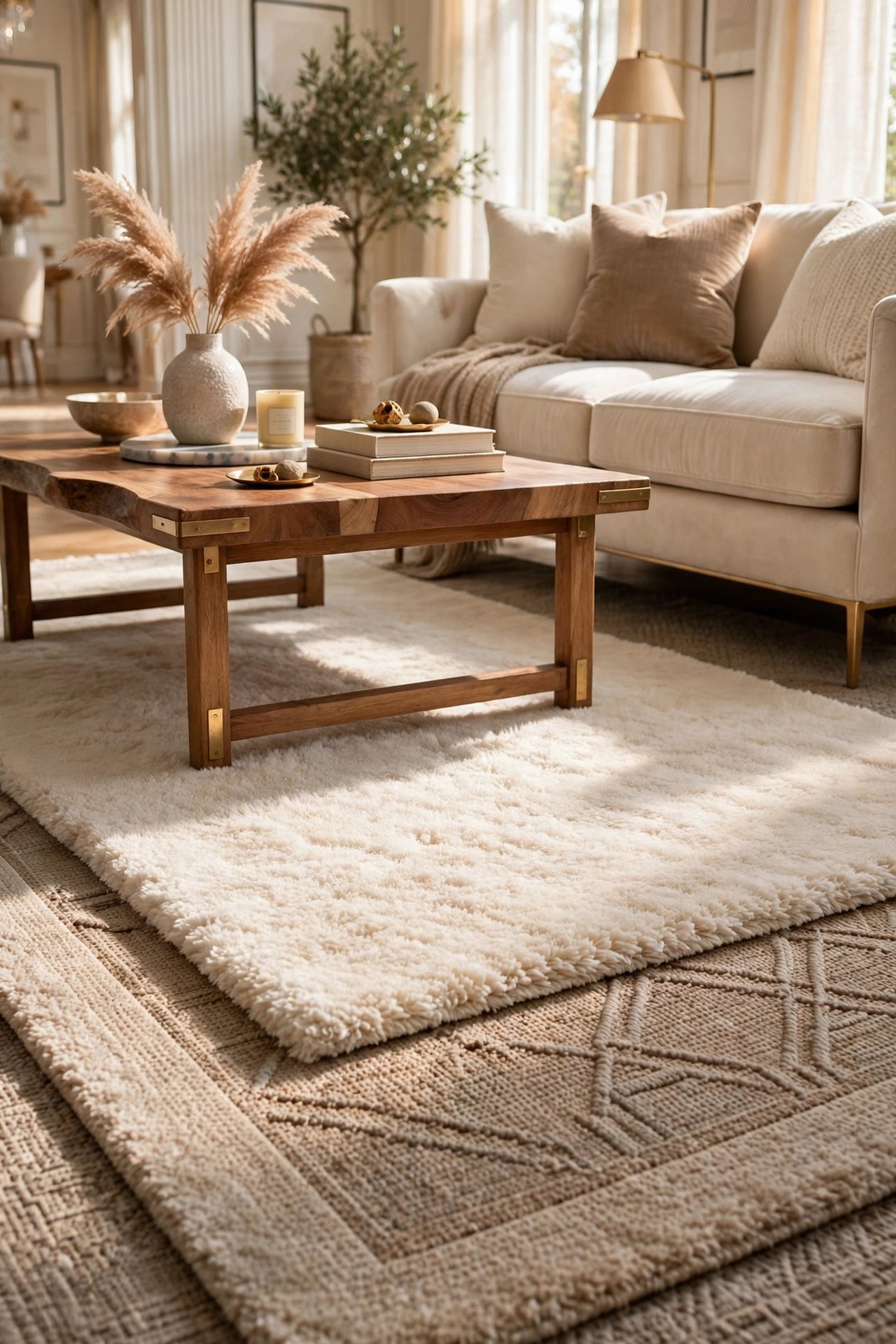
Bare floor is where winter cold enters a room, and one thin rug often is not enough. Layer a smaller, softer rug over your main living room rug, angled slightly or placed straight under the coffee table, so the seating area feels like a warm island. A high-pile, faux sheepskin or thick woven top layer in a lighter tone than the base rug gives the clearest effect. It also quietly marks the cozy zone of the room without any furniture change. Make sure the top rug lies flat and its edges cannot trip anyone crossing the room.
What You Need
- High-pile or faux sheepskin area rug, 3×5 ft
- Rug grip tape or underlay pads
Quick Steps
- Place the smaller rug centered under the coffee table zone.
- Fix the corners with grip tape so it cannot slide.
- Pull the sofa front legs onto the rug edge to anchor the group.
Estimated Cost: $35-$90 (estimate)
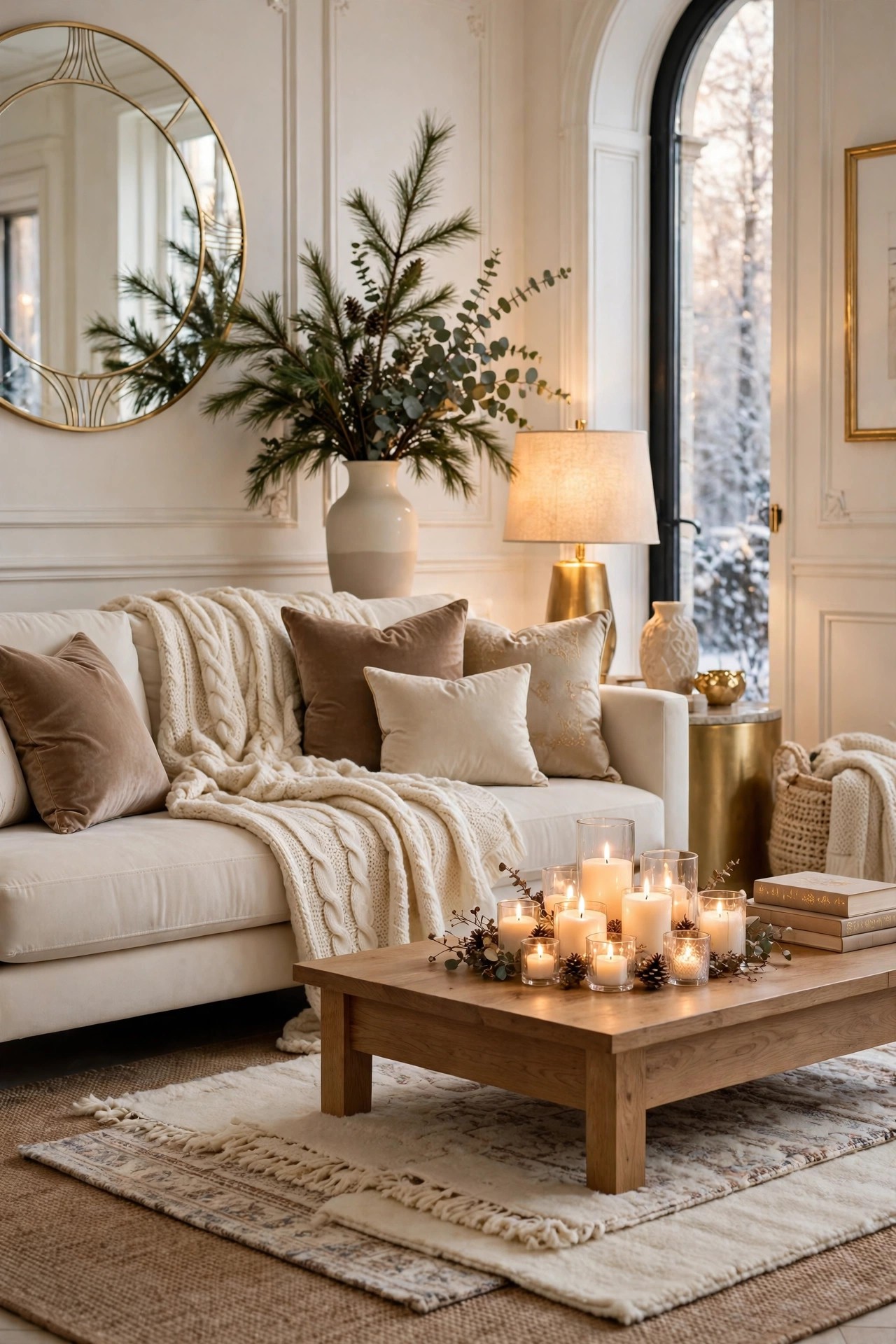
4. Build a Candle Cluster on the Coffee Table
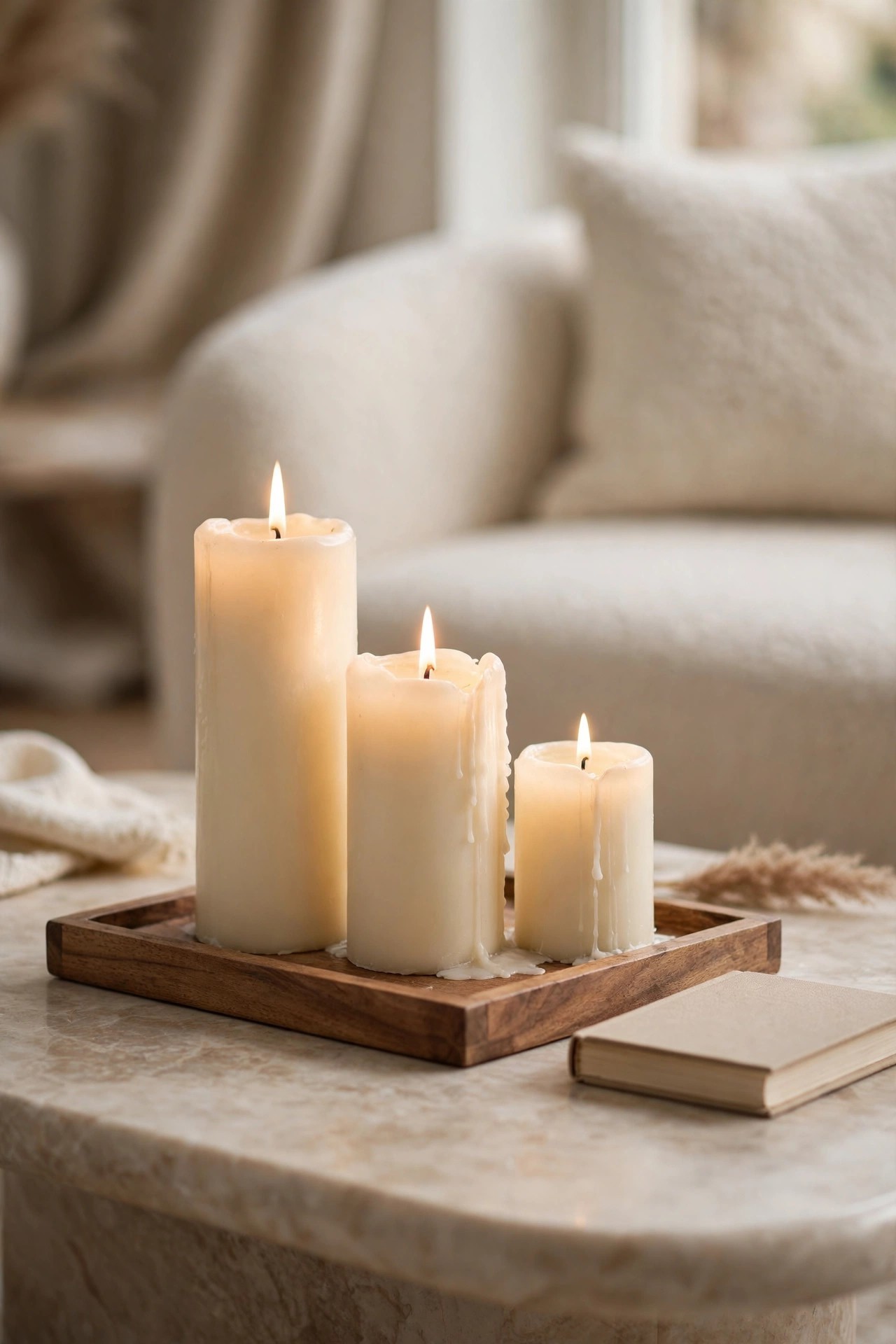
Winter evenings ask for low, warm light at table level. Group three candles of different heights on a tray or a flat wooden board on the coffee table, and keep the grouping tight so it reads as one calm moment. Cream and ivory candles suit the GlamNStyle palette and glow warmly against wood and fabric. Battery candles with a timer give the same look with no open flame, which is the safer choice near throws and cushions. Light or switch them on as the daylight fades, and the room changes mood without touching the main lights.
What You Need
- Pillar candles or LED pillar candles, set of 3 heights
- Wooden or metal tray
Quick Steps
- Set the tray in the middle of the coffee table.
- Arrange the candles tall to short, close together.
- Keep the rest of the table clear except one book or small bowl.
Estimated Cost: $20-$45 (estimate)
5. Use Warm-White Lamps Instead of Ceiling Light
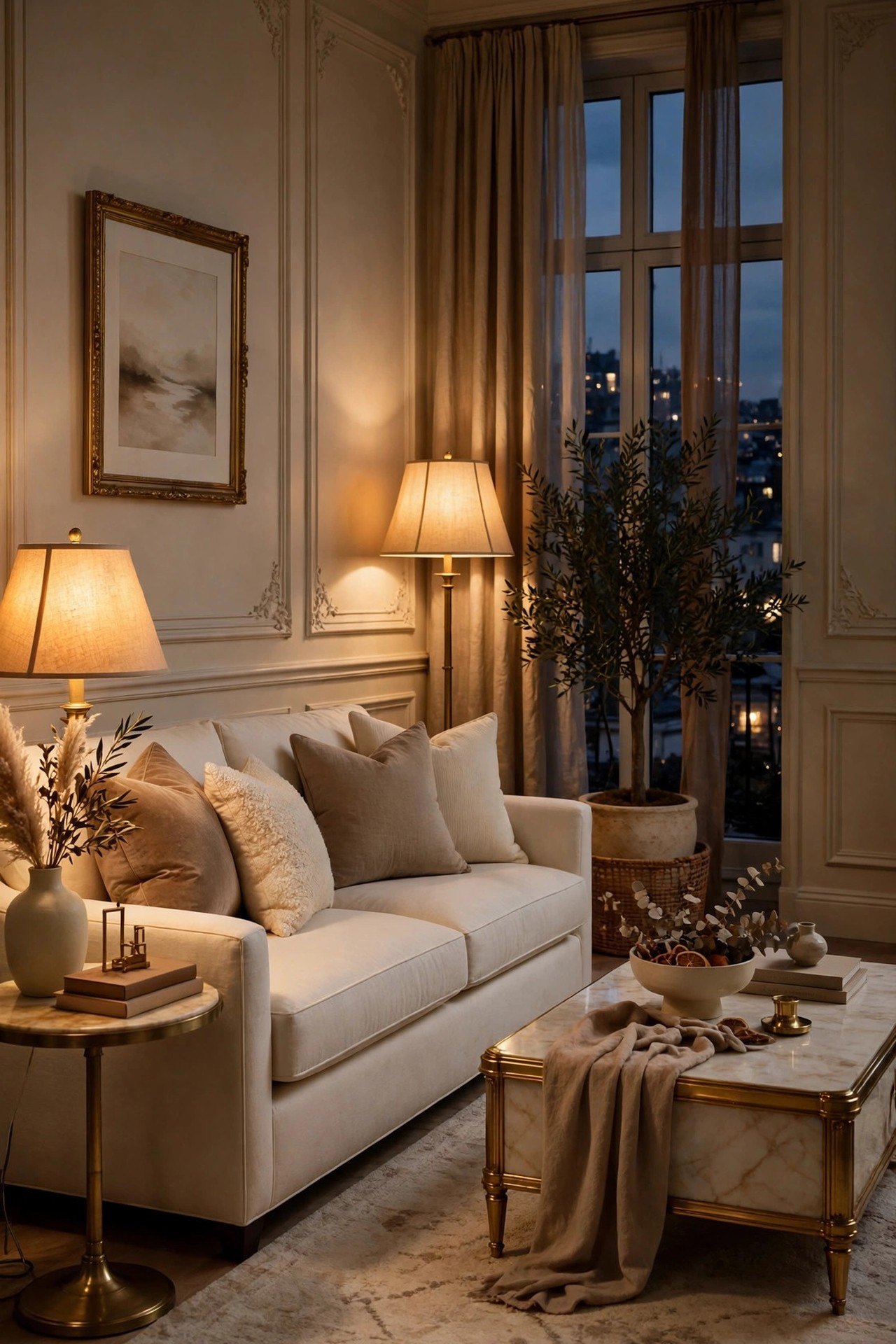
Ceiling light in winter feels harsh because it is white, flat and comes from above. Two lamps at seat height with warm-white bulbs make the same room feel smaller, softer and warmer, and faces look kinder in it. Put one lamp beside the sofa and one in the darkest corner, and let those two carry the evening. If your bulbs are a cold blue-white, changing them is the cheapest decor upgrade in this whole list. For more ways to place lamps and pendants in the room where you rest, → bedroom lighting ideas.
What You Need
- Warm-white LED bulbs, 2700K
- Table or floor lamp with a fabric shade
Quick Steps
- Swap cold-white bulbs for 2700K warm-white bulbs.
- Place one lamp at sofa height and one in the darkest corner.
- Switch the ceiling light off for the evening and test the feel.
Estimated Cost: $15-$70 (estimate)
6. Style Winter Greenery in Tall Vases
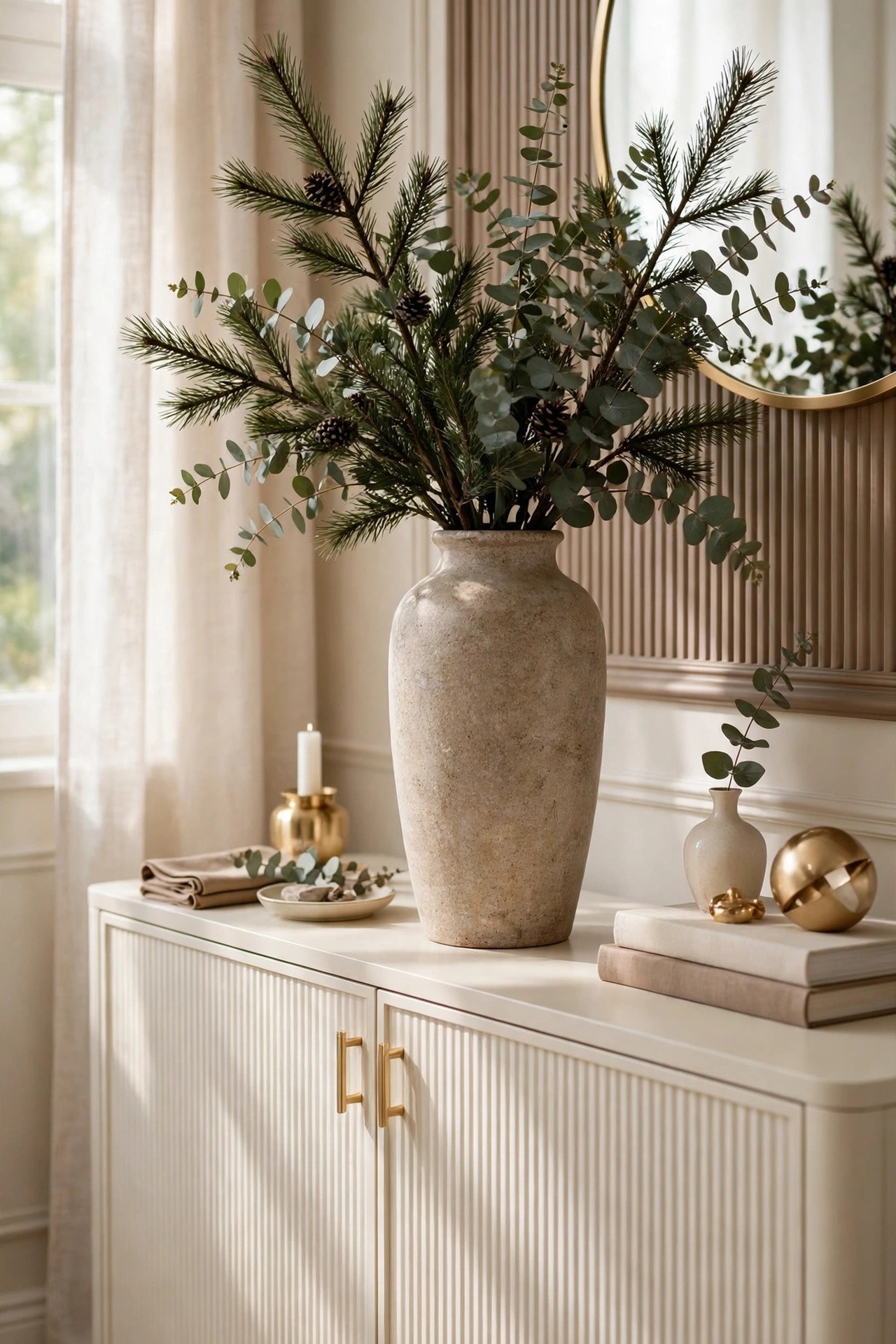
Winter rooms still need something alive in them. Branches of pine, cedar or eucalyptus in a tall vase bring the season in without any holiday styling attached to them, and they last for weeks in water. One tall arrangement on a sideboard or floor-standing by a chair is enough; small sprigs repeated everywhere start to look busy. Mix two greens for depth, keep the vase simple stoneware or glass, and let the shape of the branches do the work. Dried pampas or bare branches work the same way if fresh greens are hard to find.
What You Need
- Tall stoneware or glass vase
- Fresh pine, cedar or eucalyptus branches (or dried pampas)
Quick Steps
- Fill the vase one third with water for fresh branches.
- Add the tallest branches first, then fill gaps with the second green.
- Place it where it catches a little natural light, not in a dark corner.
Estimated Cost: $15-$40 (estimate)
7. Make the Bed with a Flannel and Quilt Layer
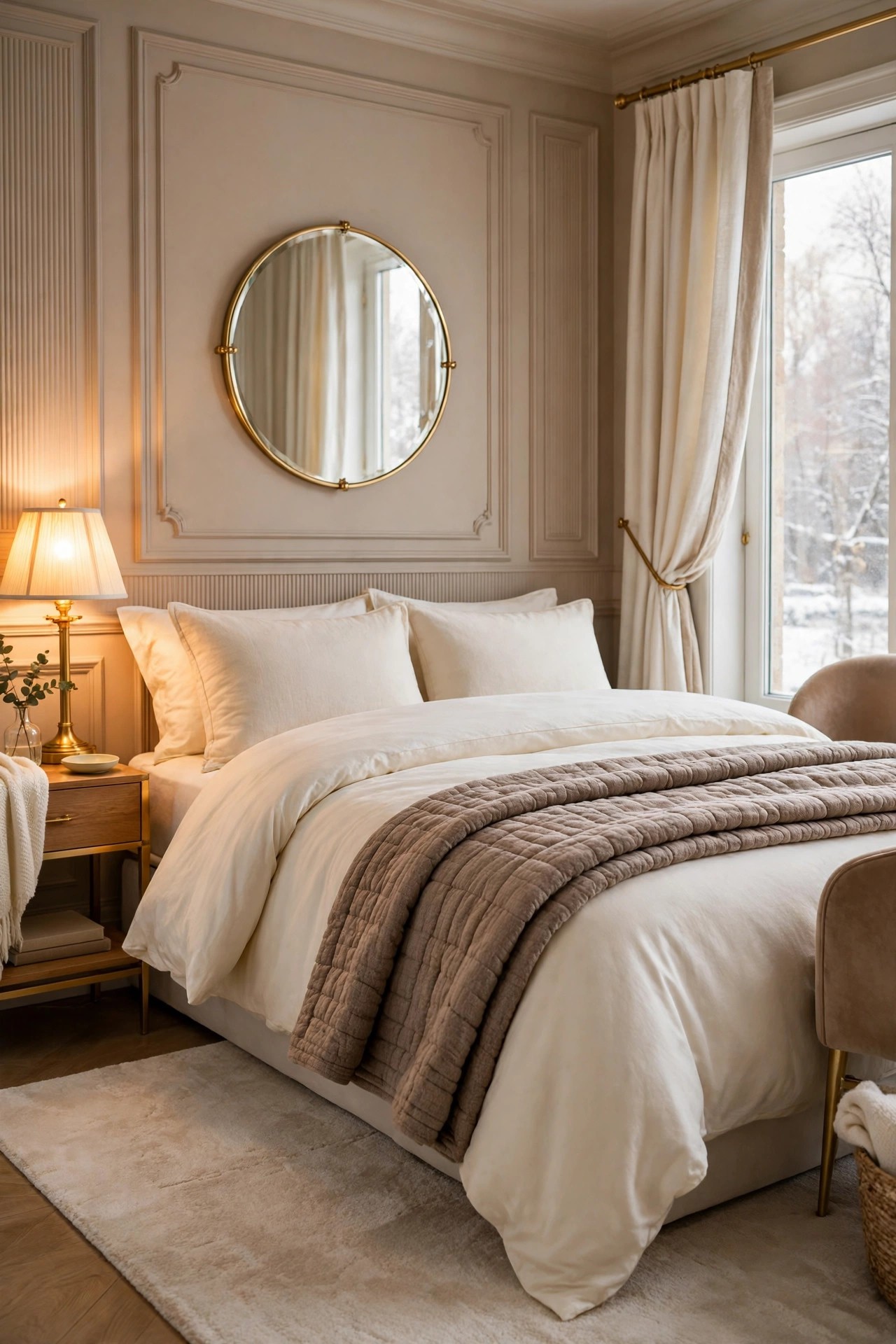
A winter bed is built in layers you can adjust through the night. Start with flannel or brushed cotton sheets, add your normal duvet, then fold a quilt or a textured throw across the bottom third of the bed. The folded layer is the one the eye reads, so choose a warm neutral, a soft plaid or a deep calm color that suits the room. This layering looks generous and hotel-like, and it means one layer can come off on a warmer night without remaking the whole bed. Smooth the top, keep pillows simple, and the bedroom feels ready for cold weather.
What You Need
- Flannel or brushed cotton sheet set
- Quilt or textured bed throw
Quick Steps
- Fit the flannel sheets and make the bed as normal.
- Add the duvet and smooth it flat.
- Fold the quilt across the bottom third of the bed.
Estimated Cost: $40-$110 (estimate)
8. Add a Bedside Rug You Feel First Thing
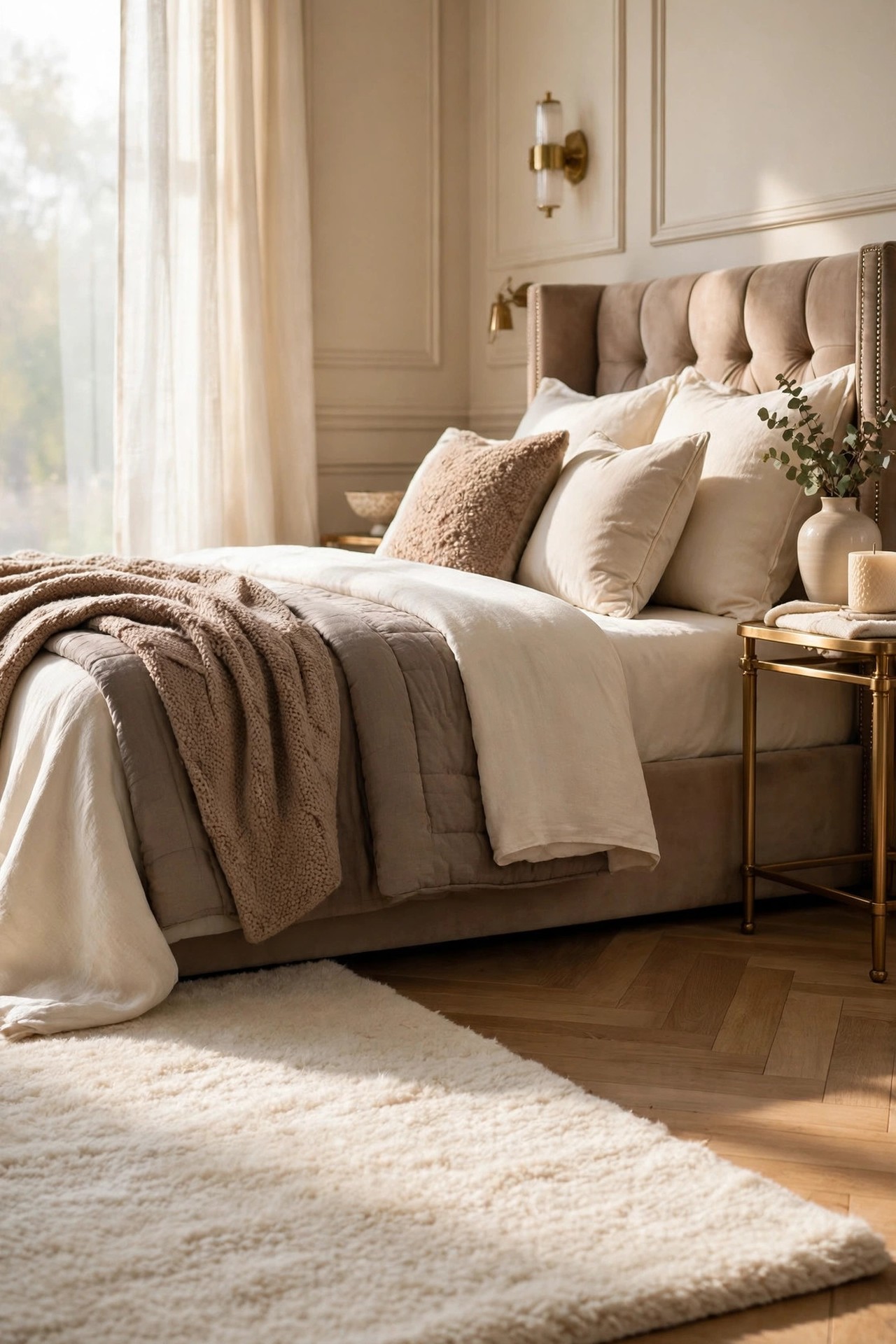
The coldest moment of a winter day is bare feet meeting a cold floor. A soft rug on the side of the bed where you get up fixes that moment and makes the whole room feel kinder. A washable cotton rug, a small sheepskin or a thick woven runner all work; choose one that fits the space between the bed and the wall without bunching under the door swing. Light colors brighten a dark winter morning, but a mid tone hides dust better between washes. It is a small purchase that you will notice every single day of the season.
What You Need
- Washable bedside rug or runner
Quick Steps
- Measure the space beside the bed before buying.
- Lay the rug where your feet land when you sit up.
- Add a thin underlay if the rug slides on hard floors.
Estimated Cost: $20-$55 (estimate)
9. Hang Heavier Curtains Against the Cold
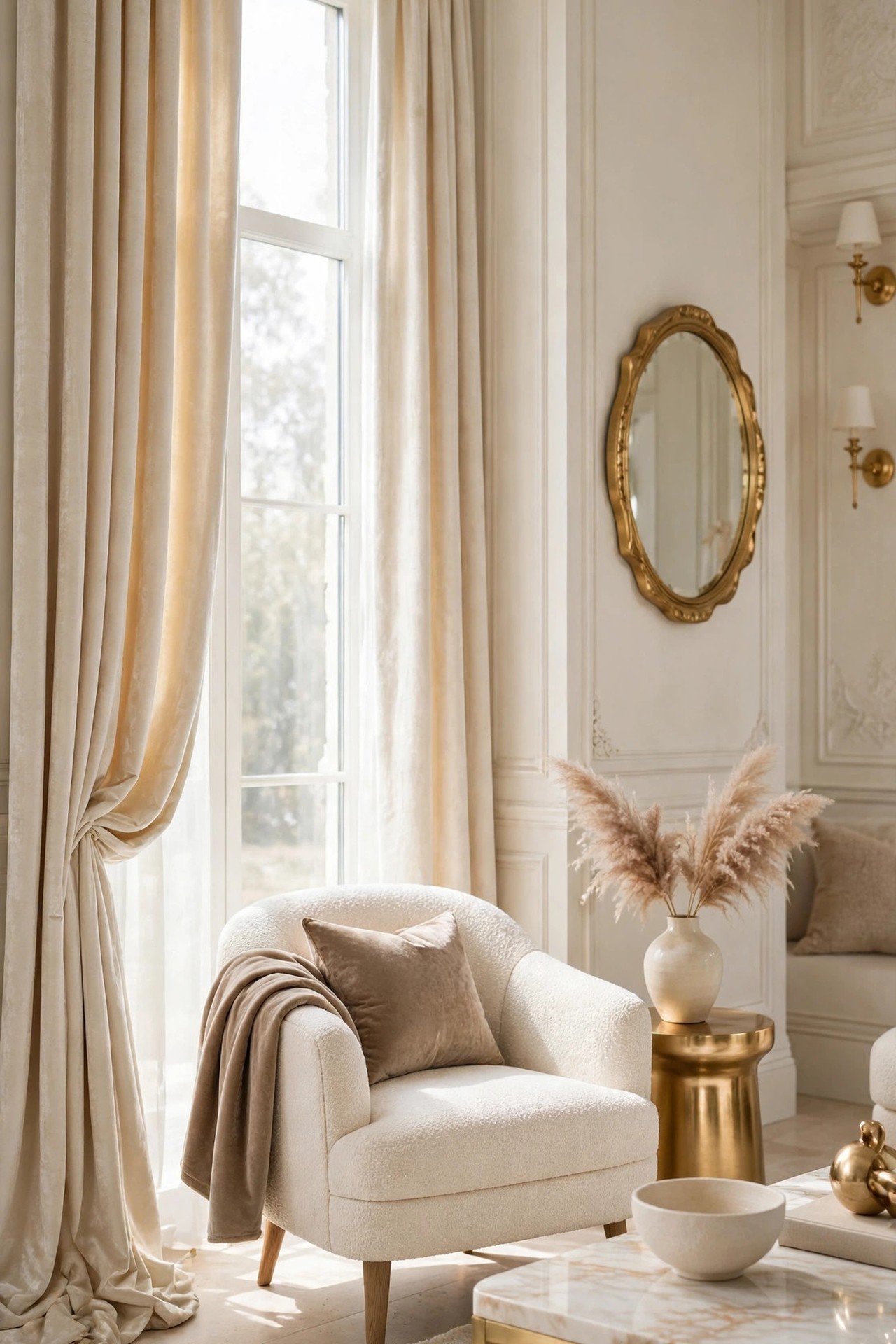
Curtains in winter have a job to do, not just a look to give. Heavier fabrics like velvet, lined cotton or thermal curtains block the cold air that gathers at windows, and rooms hold their warmth longer in the evening. Hang them wide so they stack on the wall, not over the glass, and let them fall to the floor for the full winter effect. Warm ivory, soft gold or deep green all sit well in a calm palette. If changing curtains is too much, add a thermal lining behind your current ones for a similar result. → latest curtain designs.
What You Need
- Thermal or lined curtain panels, pair
- Curtain rings or hooks if needed
Quick Steps
- Measure window width and floor length before ordering.
- Hang panels wide so the glass stays fully clear in the day.
- Close them at dusk to hold the day’s warmth in.
Estimated Cost: $35-$95 (estimate)
10. Create a Reading Corner with One Good Chair
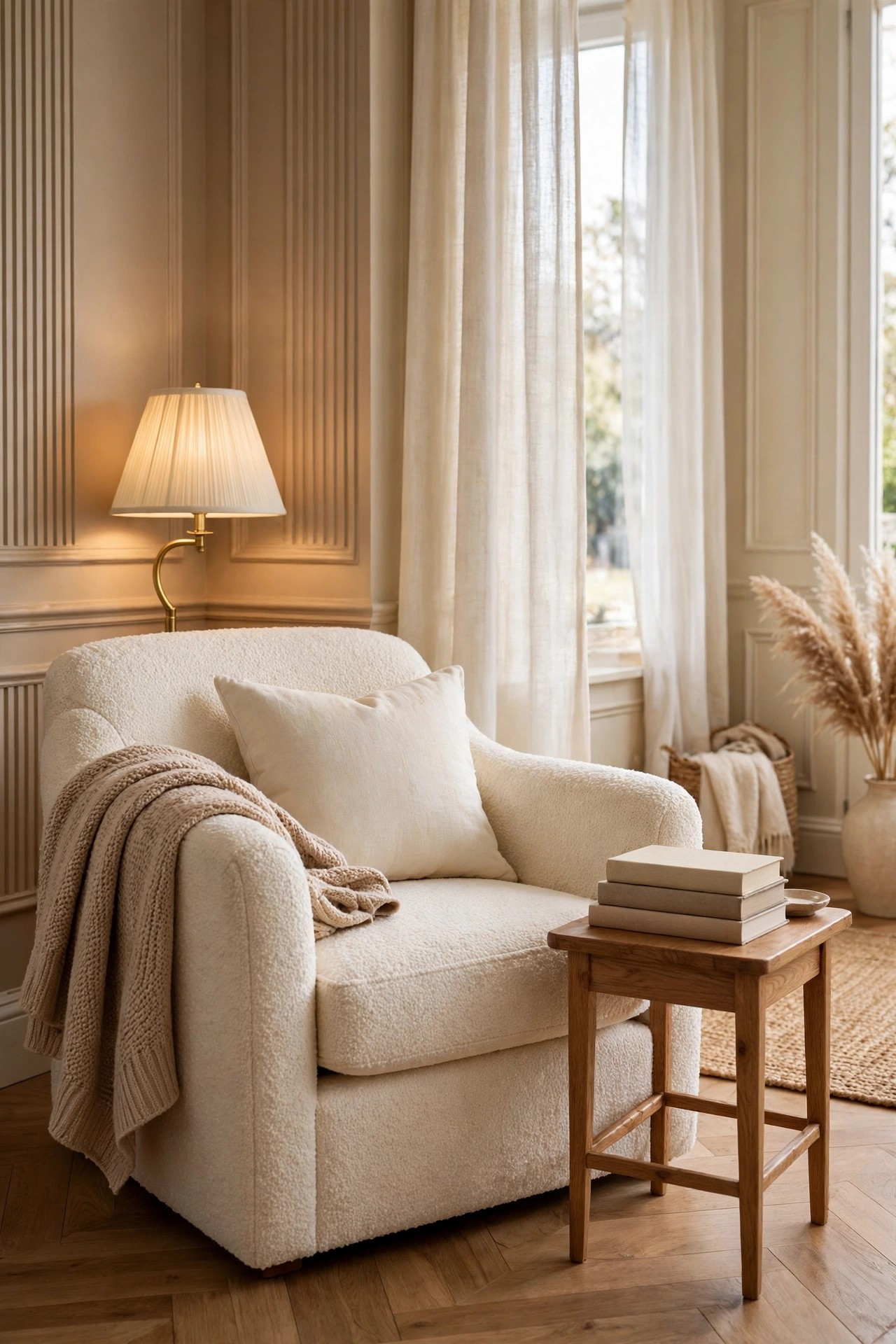
Winter needs one seat that belongs to slow time. Take a comfortable chair, place it near a window or lamp, add a small side table, a cushion and one throw, and you have a reading corner that gets used every day. It does not need a spare room; an unused living room corner or a wide spot in the bedroom is enough. Keep a short stack of books or a magazine basket beside it so the corner always looks ready. This is the spot that carries the whole calm feeling of the home through the dark months.
What You Need
- Small side table
- Reading lamp or warm bulb lamp
- Cushion and throw (from ideas 1 and 2)
Quick Steps
- Angle the chair toward the room, not flat against the wall.
- Set the table within arm’s reach and the lamp behind the shoulder.
- Add the cushion and throw, plus a small stack of books.
Estimated Cost: $30-$120 (estimate)
11. Set a Hot Drink Station on a Tray
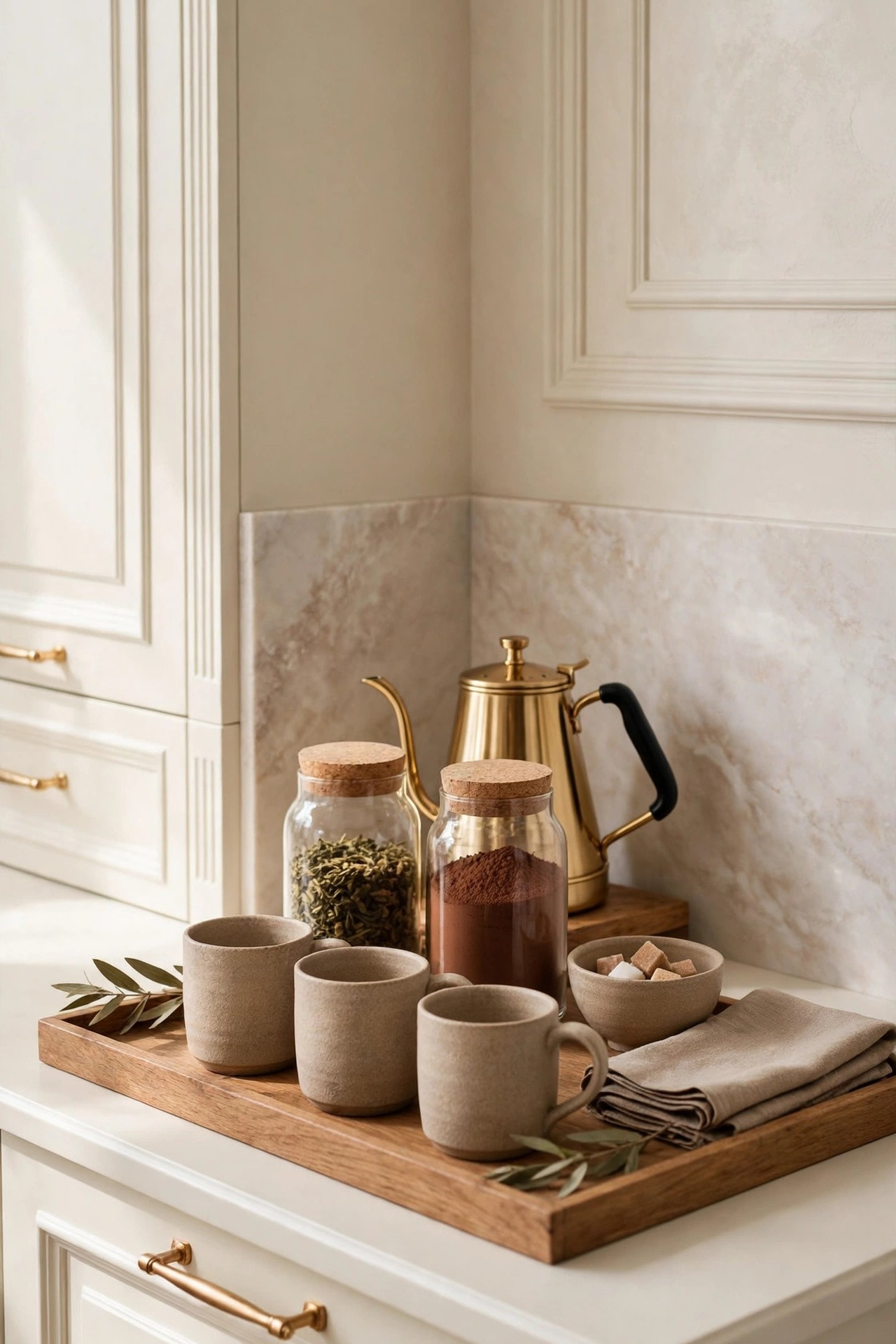
A small hot drink station makes winter evenings feel cared for. Use a tray on a sideboard, a kitchen counter corner or a bar cart: kettle or coffee maker behind, two or three favorite mugs, a jar of tea or cocoa, and a small bowl of something sweet. Grouping it on one tray keeps it tidy and makes it feel like a feature instead of clutter. Guests help themselves, and the daily tea or cocoa habit turns into a small ritual. Keep the tray away from the sink splash zone and restock it once a week.
What You Need
- Serving tray, wood or metal
- Glass storage jars for tea, coffee or cocoa
- Set of stoneware mugs
Quick Steps
- Choose one clear surface and place the tray first.
- Put the kettle or maker at the back, jars and mugs in front.
- Add one small sweet bowl and a folded linen napkin.
Estimated Cost: $25-$70 (estimate)
12. Warm the Entryway with a Runner and Basket
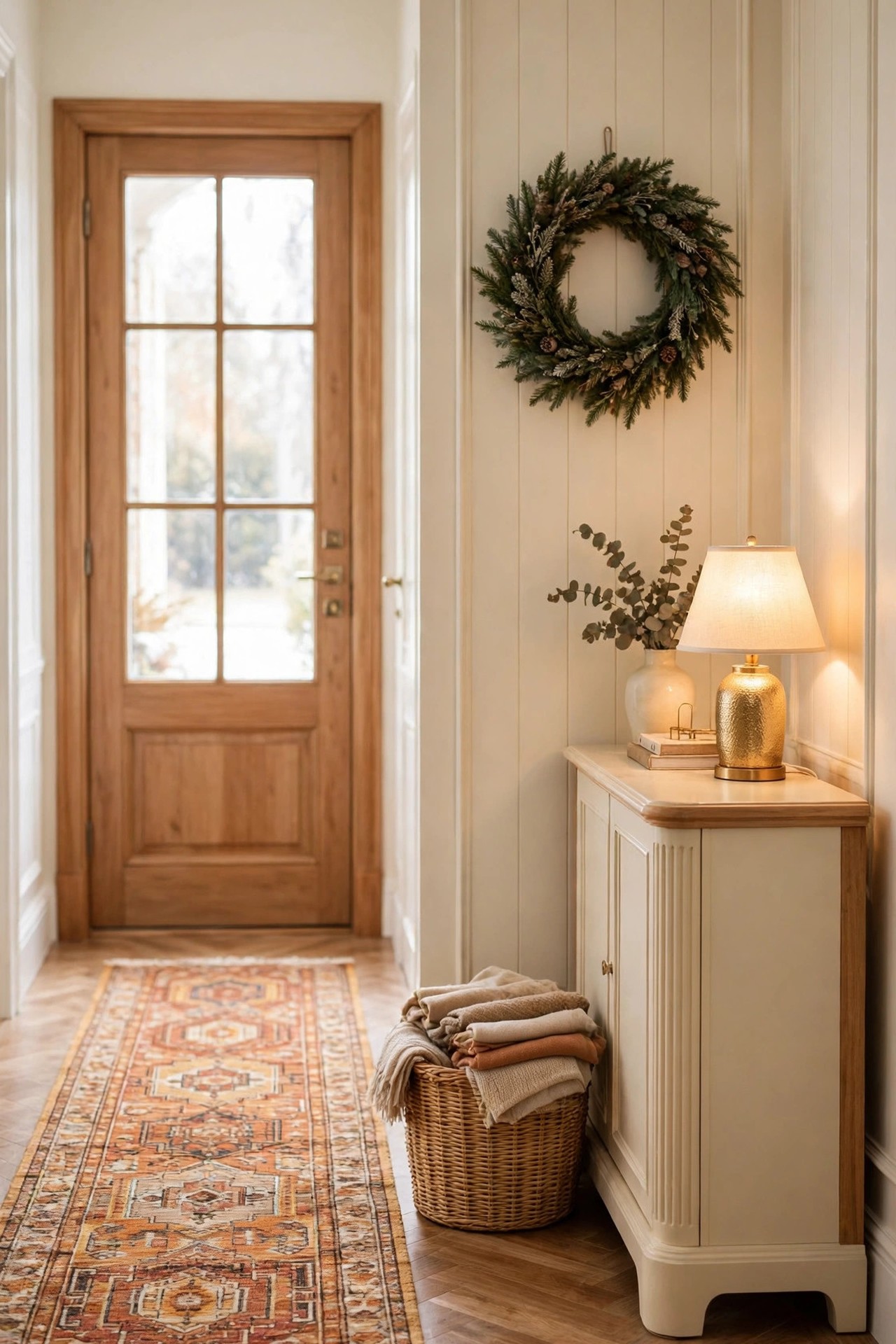
The entryway is the first cold blast of the house, so it earns its own winter layer. Lay a runner in a warm pattern to cover cold tile or wood, add a basket for scarves, gloves and hats by the door, and hang one heavier wreath of plain winter greenery on the inside of the door or the wall. A small lamp or a lit candle (LED is safest here) on a console makes coming home feel good on a dark afternoon. Everything has a place, and the winter gear stops spreading into the living room.
What You Need
- Washable runner rug
- Woven storage basket with lid or open top
- Plain winter greenery wreath
Quick Steps
- Lay the runner from the door into the hall.
- Place the basket where coats come off.
- Hang the wreath and add one warm light source.
Estimated Cost: $30-$85 (estimate)
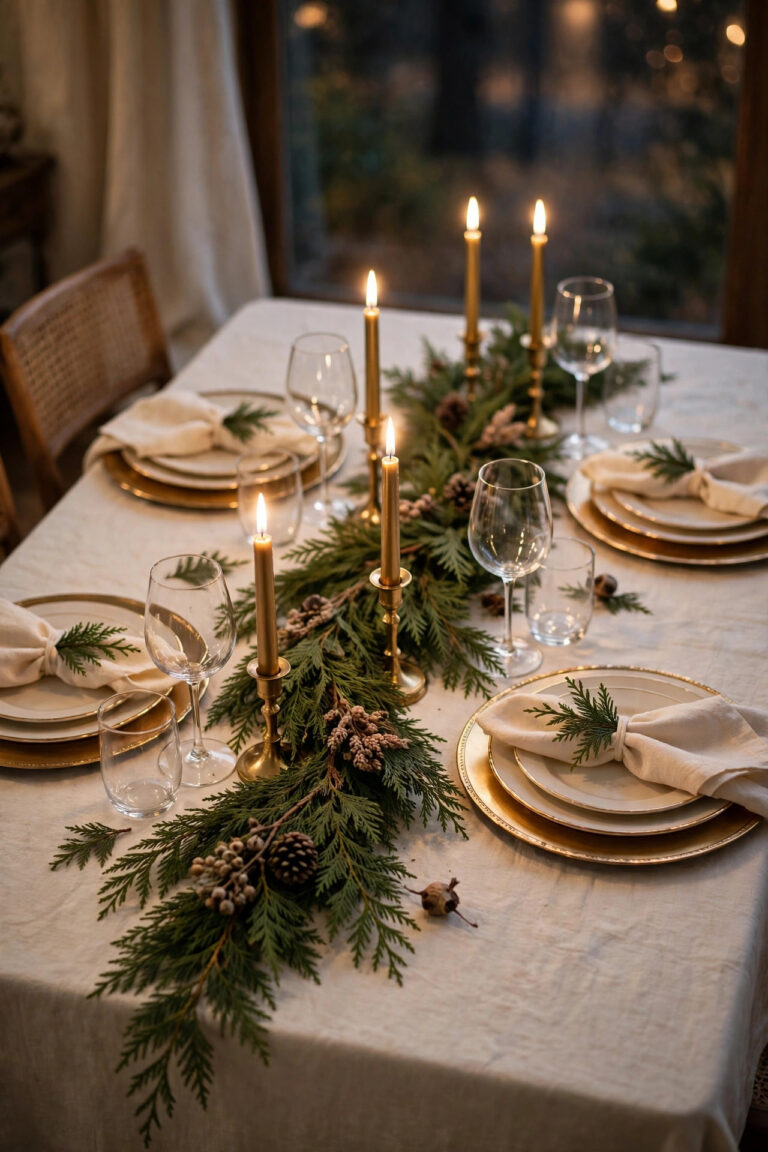
13. Style the Dining Table for Slow Evenings
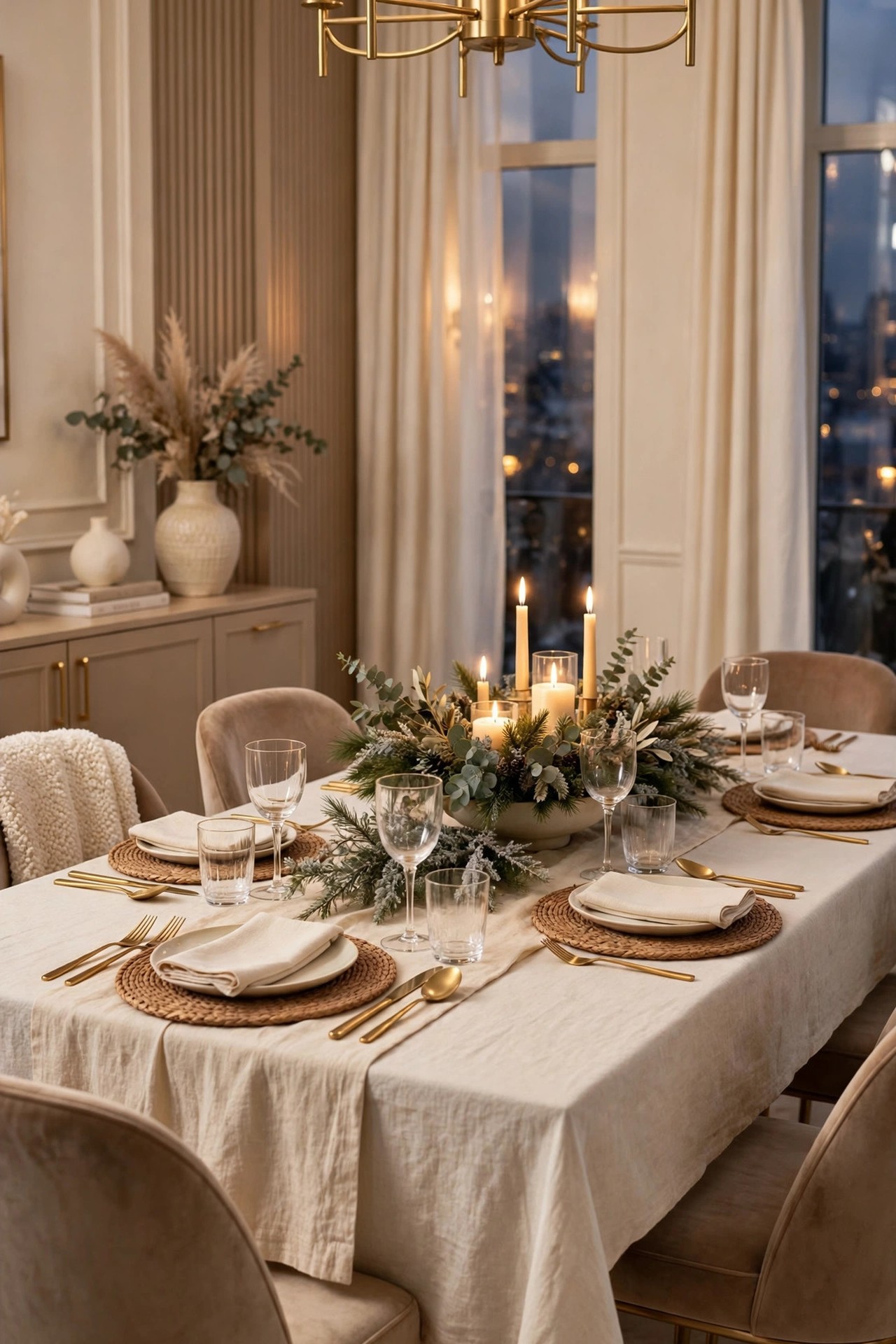
A dining table that sits empty all winter looks cold even in a warm room. Leave a simple setting in place: a linen runner down the middle, a low bowl or tray with candles and greenery, and placemats at the seats you use. Low styling matters; tall arrangements block faces and get moved and never put back. The table then works for daily meals and still looks finished when friends come. This soft, layered table pairs well with the complete-room approach in → cozy living room ideas, which uses the same warm palette.
What You Need
- Linen table runner
- Low bowl or tray with candles
- Woven or linen placemats
Quick Steps
- Lay the runner along the center of the table.
- Set the low candle grouping in the middle.
- Add placemats only at the seats in daily use.
Estimated Cost: $25-$65 (estimate)
14. Bring Wood Tones Forward
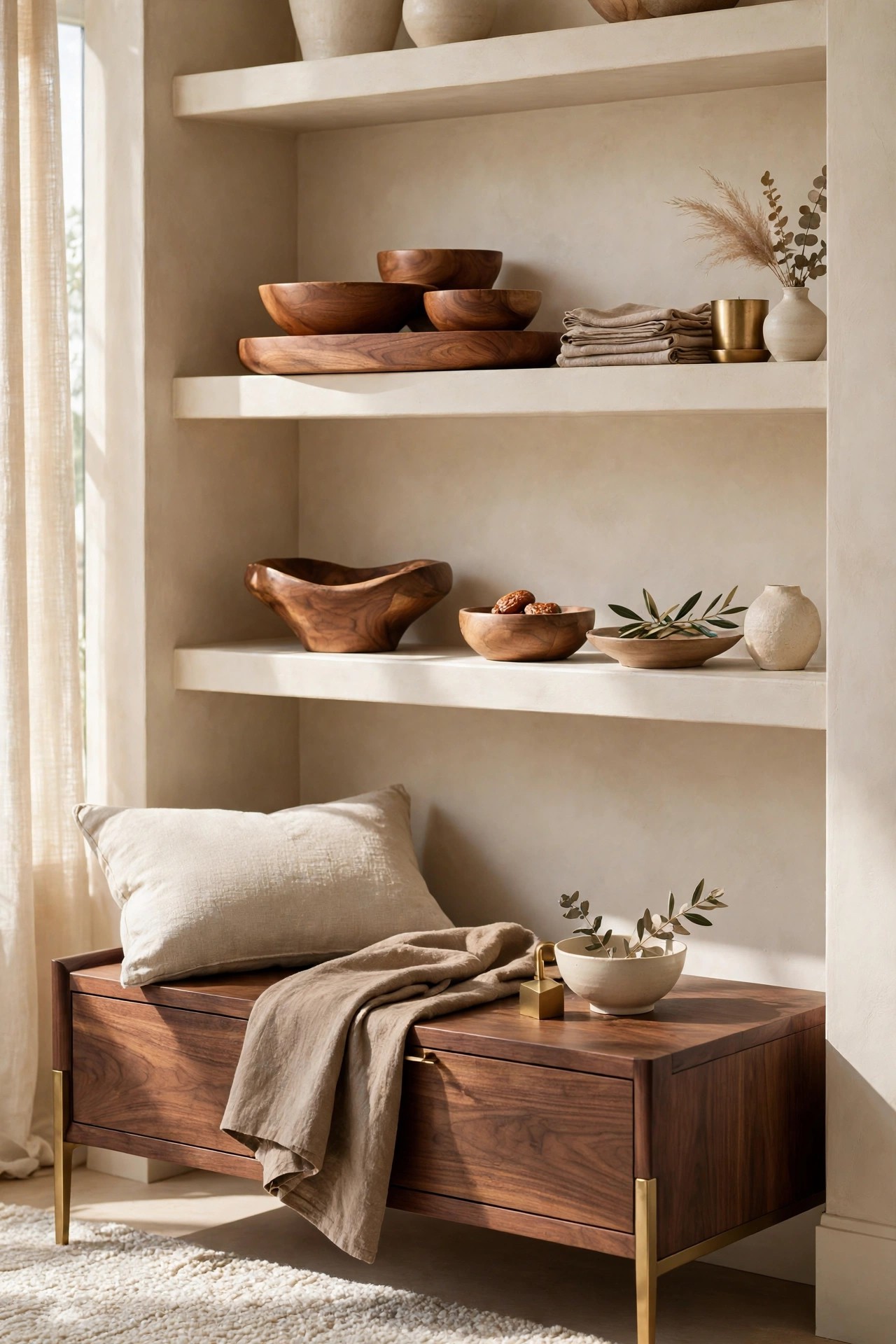
Winter light is grey, and pale rooms can turn cold under it. Warm wood answers that: a wooden tray on the table, a walnut side table, wooden bowls on open shelves or a wooden bench at the end of the bed. You do not need new furniture; moving the wood pieces you own into the main rooms and grouping them where the eye lands is often enough. Wood sits well with cream, ivory and soft gold, and it keeps a calm room from feeling washed out. Keep metal accents warm too: brushed brass over chrome at this time of year.
What You Need
- Wooden serving tray or boards
- Wooden bowls or a wooden storage box
Quick Steps
- Gather the wood pieces you own into the main living spaces.
- Group them at eye level: table, shelf, bench.
- Pair each group with something soft, like linen or a plant.
Estimated Cost: $0-$60 (estimate)
15. Use Faux Fur as One Accent Only
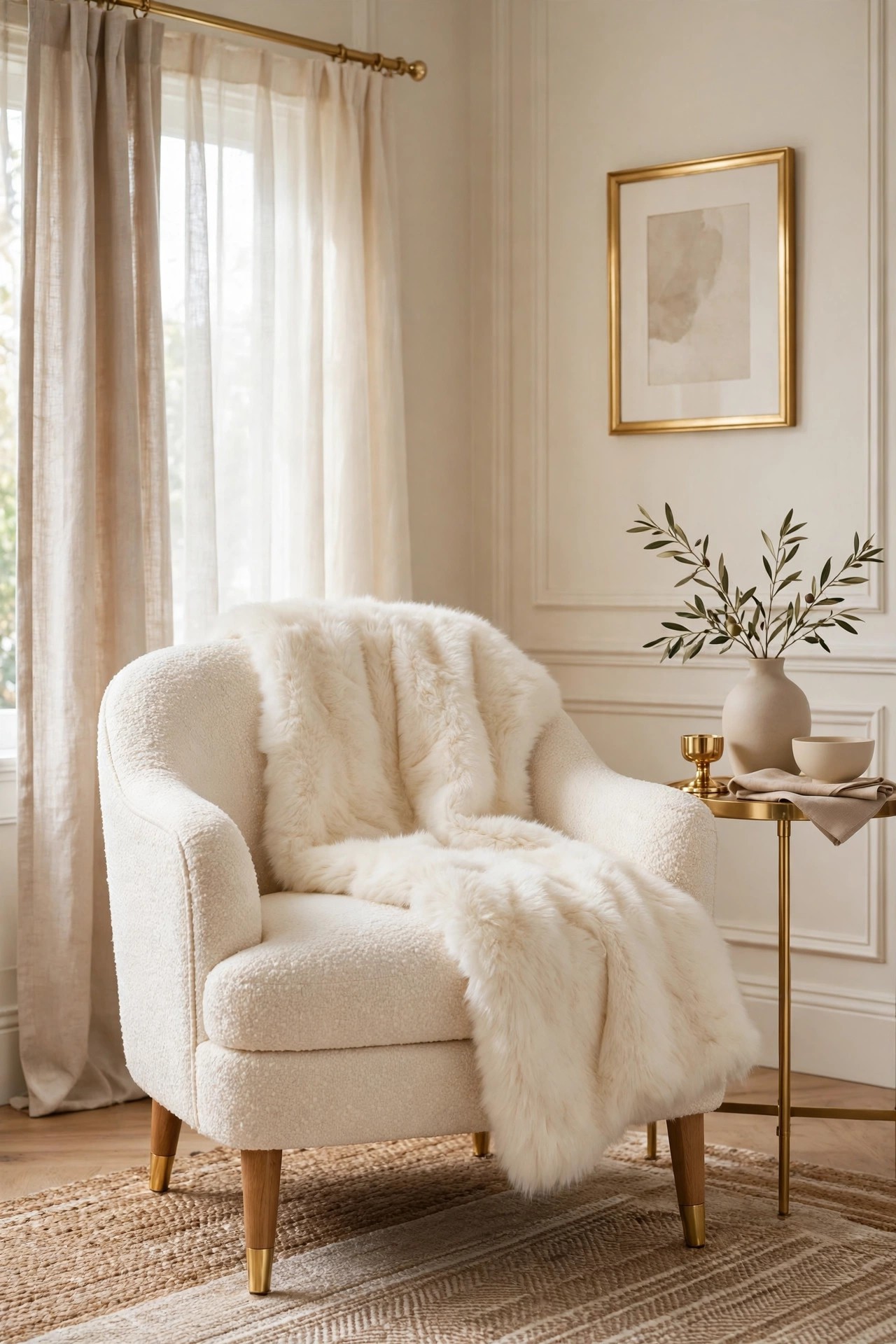
Faux fur is winter’s strongest texture, which is exactly why one piece is enough. A single faux fur throw over a chair, or one cushion on the bed, reads as luxury; five pieces read as a theme park. Choose the spot where hands actually touch it, like the reading chair or the sofa corner, and keep the color close to your palette, ivory, soft grey or warm taupe. The rest of the room stays smooth and calm around it, which is what makes the one piece feel expensive. Shake it out weekly to keep the pile soft.
What You Need
- Faux fur throw or cushion cover
Quick Steps
- Pick one seat or the bed as the only fur spot.
- Drape or place the piece where it will be touched and used.
- Remove any other fur items from the same room.
Estimated Cost: $20-$50 (estimate)
16. Add Plaid in Small, Quiet Doses
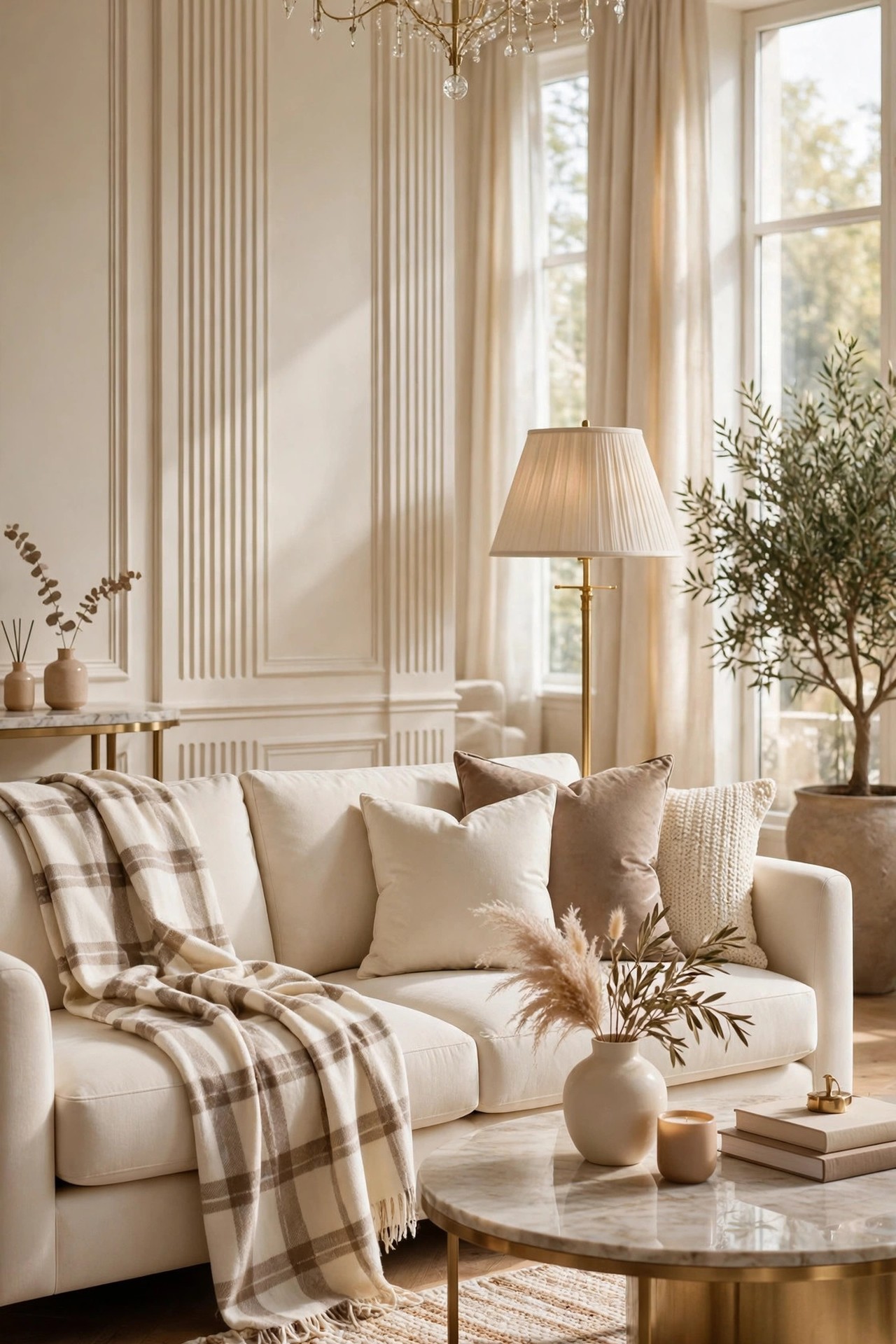
Plaid is winter’s classic pattern, and it works best quietly. One plaid throw on the sofa, plaid napkins on the dining table, or a plaid cushion in the reading corner gives the season’s feeling without turning the room into a lodge. Choose soft colorways, cream with taupe, grey with ivory, or a muted green, and keep the scale of the check medium so it does not shout. Mix plaid with plain velvet and knit, never with another strong pattern in the same view. If you already own a plaid blanket from autumn, winter is its best season; bring it forward.
What You Need
- Plaid throw blanket, soft colorway
- Plaid cloth napkins, set of 4
Quick Steps
- Choose one plaid item per room, no more.
- Place it against plain colors so the pattern stays calm.
- Repeat its softest color somewhere small nearby, like a candle or book.
Estimated Cost: $15-$45 (estimate)
17. Make the Bathroom Feel Like a Warm Spa
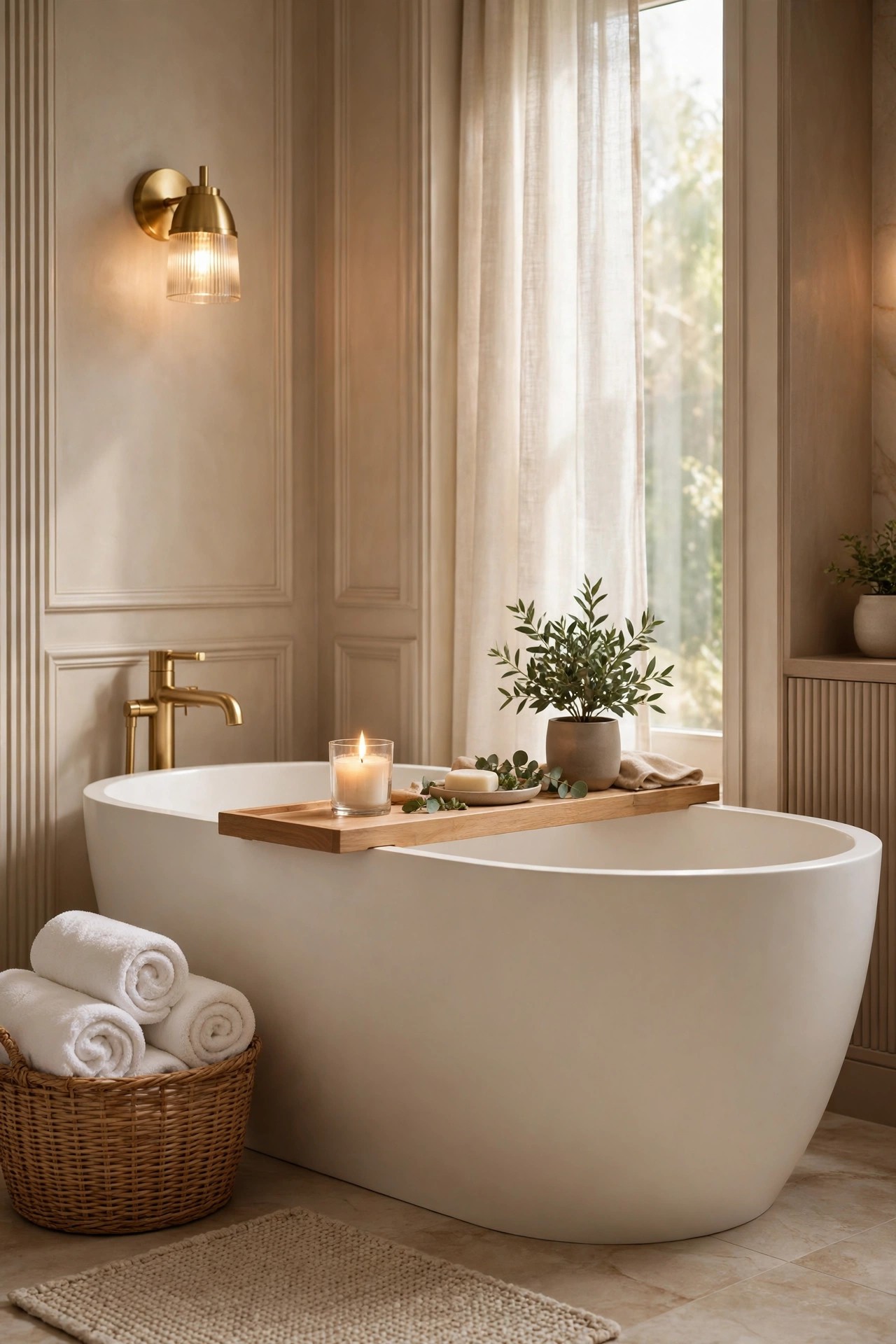
Bathrooms feel coldest in winter because of tile and hard light. Thicker towels in warm white, a wooden bath mat or bath tray, a small plant that likes humidity, and a candle by the tub turn the same room into a warm spa corner. Roll spare towels in a basket instead of folding them in a cupboard, so the softness is visible. A small rug outside the shower stops the cold-floor shock. For a full room built on this feeling, → ensuite bathroom ideas takes the spa idea through the whole space.
What You Need
- Thick cotton bath towels, warm white
- Wooden bath tray or bath mat
- Woven basket for rolled towels
Quick Steps
- Swap thin towels for the thickest set you have or buy.
- Place the wooden tray across the tub or the mat beside it.
- Roll spare towels in the basket where they can be seen.
Estimated Cost: $30-$80 (estimate)
18. Light the Fireplace Area Without a Fire
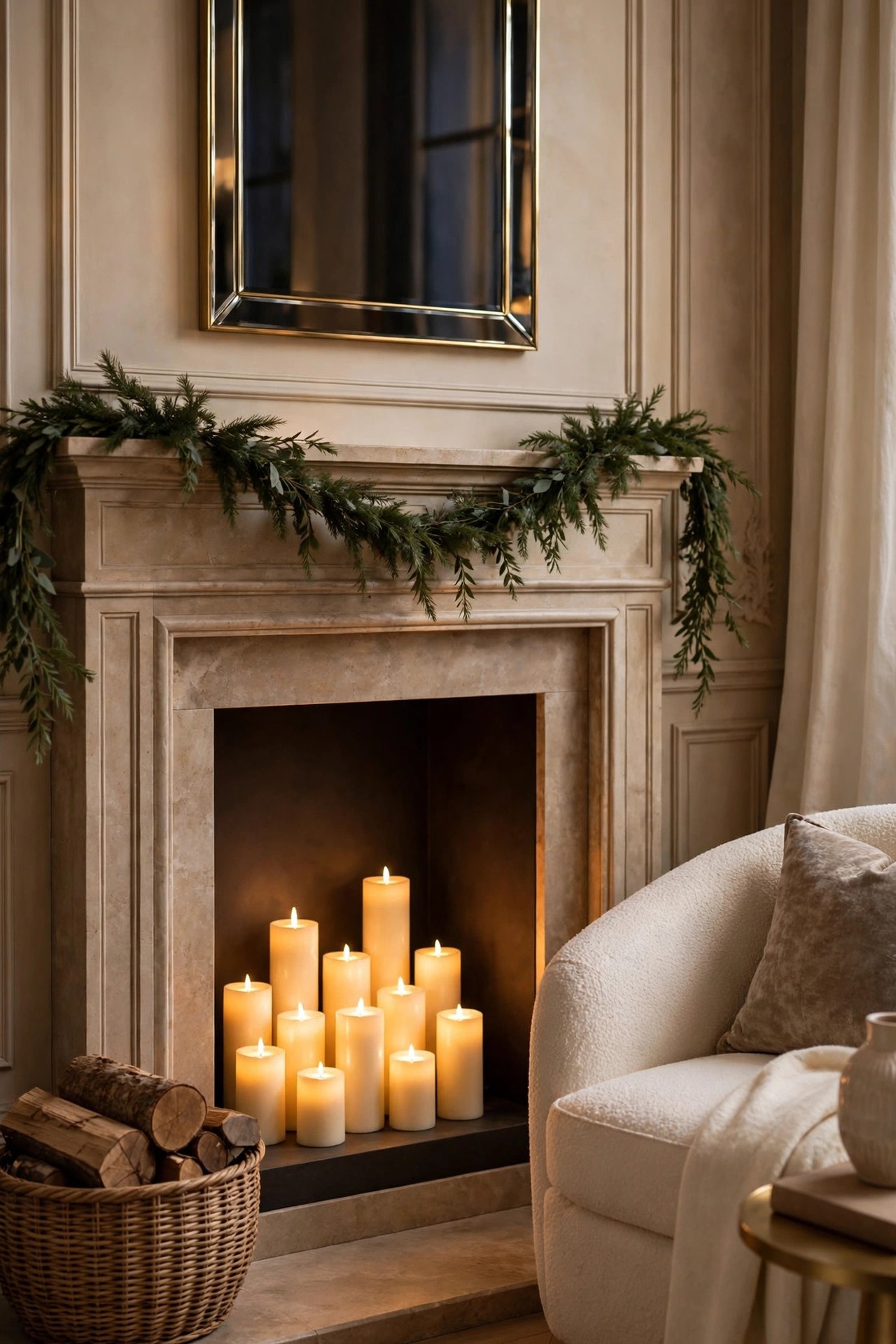
Not every fireplace is used every night, but the fireplace area can still glow. Arrange a cluster of LED candles inside the firebox or on the hearth, add a basket of logs beside it even if they are only for the look, and hang plain winter greenery along the mantel without any holiday items on it. The hearth becomes the room’s warm center again, with no smoke, no ash and no work. If your home has no fireplace, the same grouping works on a low shelf or console: candles, logs in a basket, greenery above.
What You Need
- LED candles, mixed heights
- Log basket
- Plain greenery garland
Quick Steps
- Clean the hearth or shelf surface first.
- Cluster the LED candles at different heights in the center.
- Set the log basket to one side and drape the greenery above.
Estimated Cost: $25-$70 (estimate)
19. Scent the Rooms with One Winter Fragrance
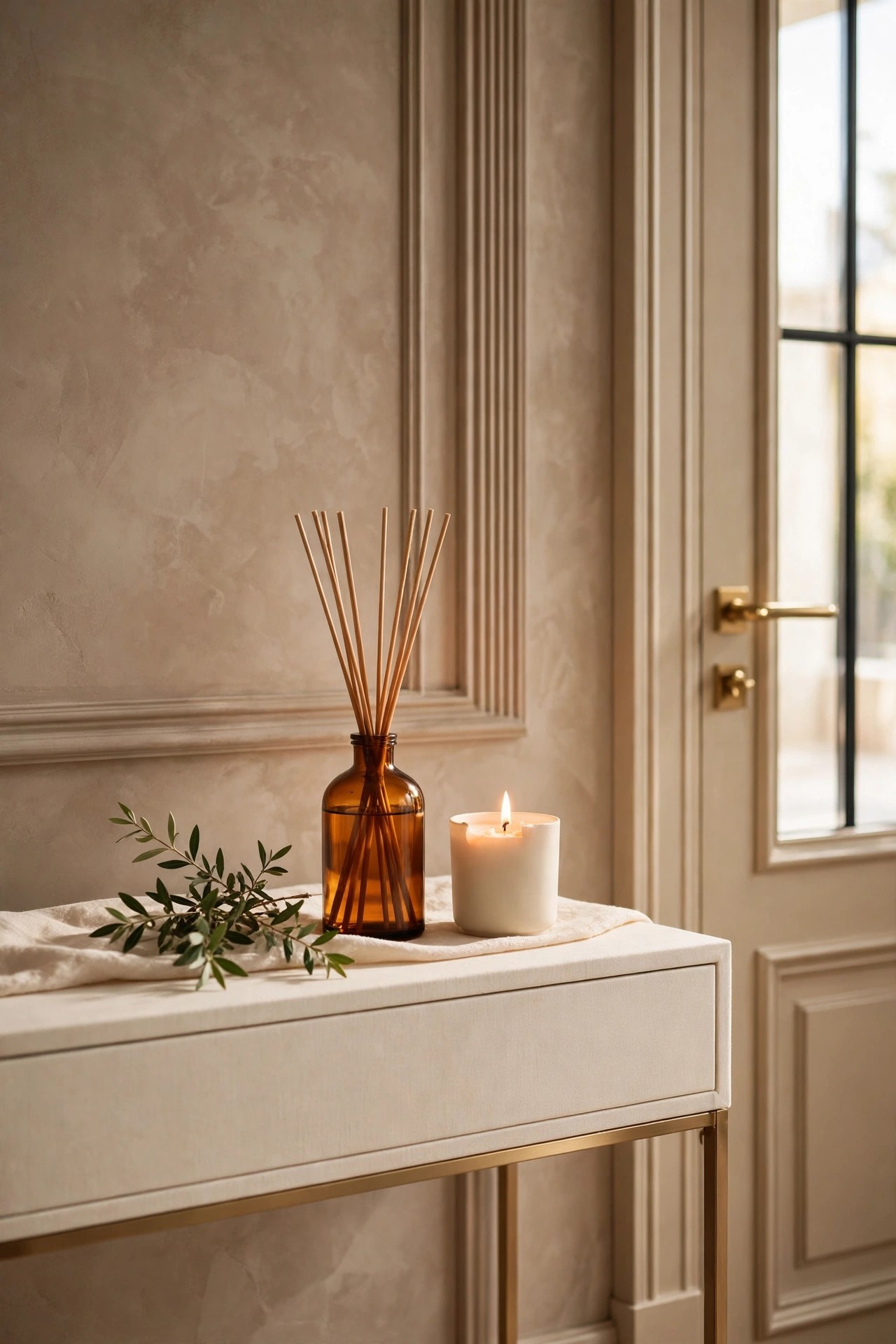
How a home smells is part of its decor, and winter has its own scents: cedar, pine, cinnamon, clove and vanilla. Choose one fragrance family for the whole home so rooms do not fight each other, and place it where air moves gently, near the entryway and in the living room. A reed diffuser is the safest steady option; scented candles work when they are watched and kept away from fabric. Keep bedroom scents softer or skip them if anyone sleeps lightly. Change nothing else about the room and guests will still say it feels like winter the moment they walk in.
What You Need
- Reed diffuser, cedar or pine
- Scented candle, cinnamon or vanilla
Quick Steps
- Pick one fragrance family for the whole home.
- Place the diffuser in the entryway where air moves.
- Use the candle only in the living room, away from fabric, and never leave it burning alone.
Estimated Cost: $15-$40 (estimate)
20. Finish with a Soft, Low Evening Light Plan
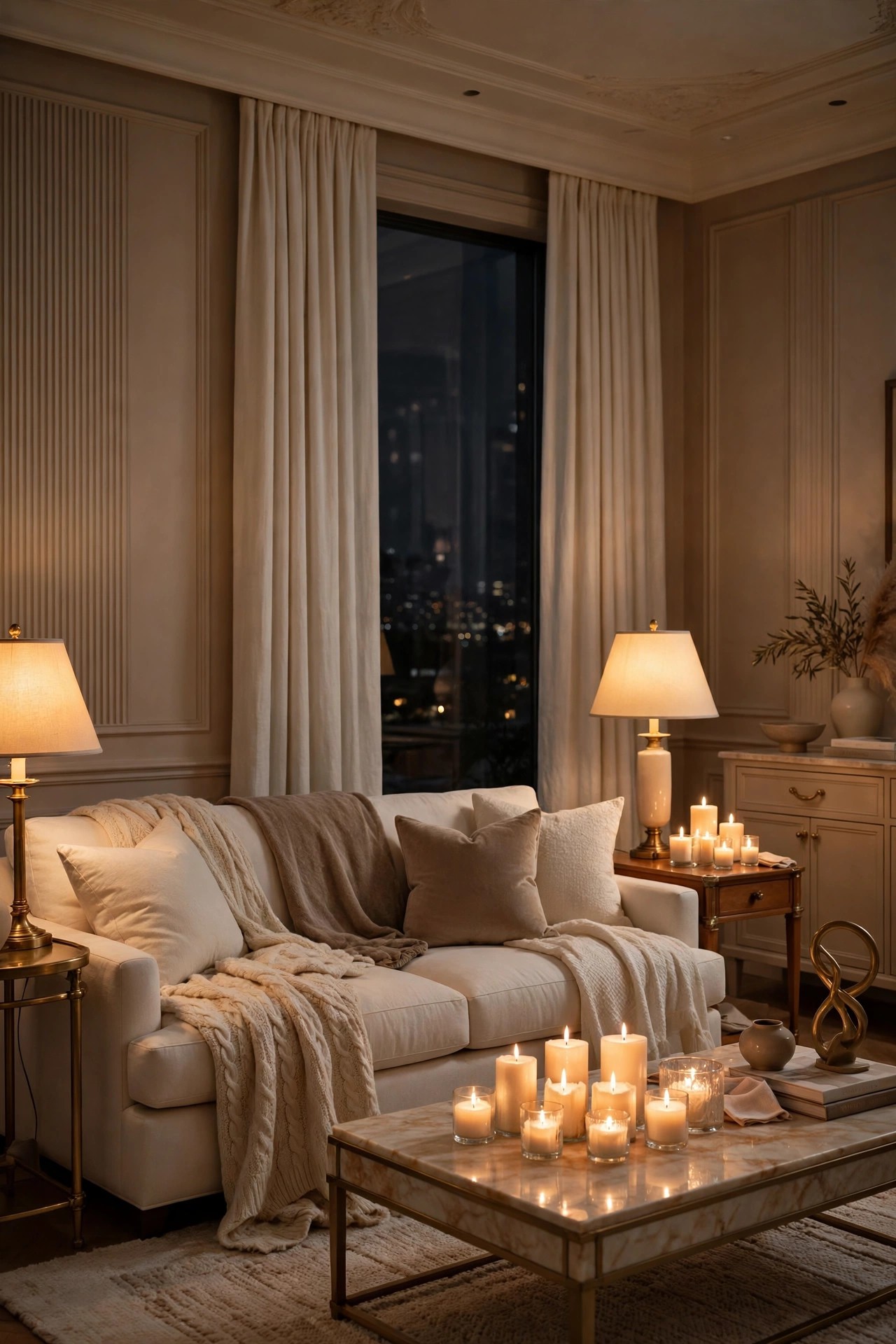
The last idea holds all the others together: decide how the home lights up after dark, on purpose. Lamps at seat height, candle clusters on tables, and no harsh ceiling lights in the rooms where you rest. Walk through the home one evening and note every spot that feels cold or glaring, then fix only those: a bulb change, a lamp moved, a shade added. This small plan costs little and changes every winter evening that follows. Homes that feel calm in winter are rarely decorated more; they are lit better, layered better, and left uncluttered.
What You Need
- Warm-white bulbs for any cold spots left
- Lamp shades or one extra table lamp if a corner stays dark
Quick Steps
- Walk the home after dark and list the cold or glaring spots.
- Fix each spot with a bulb, a shade or a moved lamp.
- Set the same light routine every evening: lamps and candles on, ceiling lights off.
Estimated Cost: $10-$60 (estimate)
Practical Tips
- Layer in order: textiles first, then light, then greenery and scent. Most winter rooms only need the first two.
- Keep one palette through the home, warm white, cream, taupe and one deep color, so rooms feel connected.
- Buy for touch, not for looks. In winter you feel decor more than you see it: throws, rugs and bedding matter most.
- Keep candles, real or LED, away from throws and curtains, and never leave a real flame alone in a room.
- Store the summer covers, light throws and bright cushions in one box, so the winter swap and the spring swap each take under an hour.
FAQs
When should I put winter decor up?
As soon as the evenings turn cold and dark, usually late October or November. Winter decor is not tied to a holiday, so it can stay through February without looking out of date.
What colors work best for winter decor?
Warm white, cream, ivory and soft taupe as the base, with one deep color like forest green, rust or warm gold for cushions and small accents. This palette works in almost every room.
How is winter decor different from Christmas decor?
Winter decor is about warmth and texture: knit, velvet, wood, candles and greenery. It has no tree, no ornaments and no holiday figures, so it suits the whole season instead of a few weeks.
Can I do winter decor in a small apartment?
Yes. Use the sofa layers, one rug layer, warm bulbs and a candle cluster first. Small rooms often feel the change more, because every layer is close to where you sit.
What if I rent and cannot change curtains or fixtures?
Use thermal liners behind existing curtains, swap bulbs instead of lamps, and lean on throws, cushions and rugs. None of the textile ideas in this list need holes, paint or permission.
What is the cheapest winter decor change with the biggest effect?
Changing cold-white bulbs to warm-white 2700K bulbs and adding one layered throw to the sofa. Together they usually cost under $40 and change the whole evening feel of the room.
Conclusion
Winter decor is not a big project; it is a set of small, warm decisions. Layer the sofa, soften the light, cover the cold floors, bring in greenery and wood, and let one calm palette run through every room. The 20 ideas above can be done across a few weekends, most with things you already own moved to a better place. Start with the room where you spend the dark evenings, feel the change there, and then carry the same layers through the rest of the home. A house that feels warm in January is not decorated more than other houses. It is simply dressed for its season.